By Theresa Hemmingway Celebrity Trichologist-Cosmetologist and Founder of Soleil Universal Research Center
I have spent my career with my hands in women's hair and my eyes on their scalps, and I can tell you this with total conviction: the thinning that shows up during perimenopause and menopause is one of the most under-diagnosed, under-discussed, and most treatable conditions I see. Not “if you’re lucky.” Treatable. I built my entire practice around this exact moment in a woman’s life because I refuse to let another client sit in a stylist’s chair being told to “just try a volumizing shampoo” when what she actually needs is a real clinical answer. This is my expertise. This is my mission. And I am going to walk you through exactly what is happening on your scalp, and exactly what to do about it.
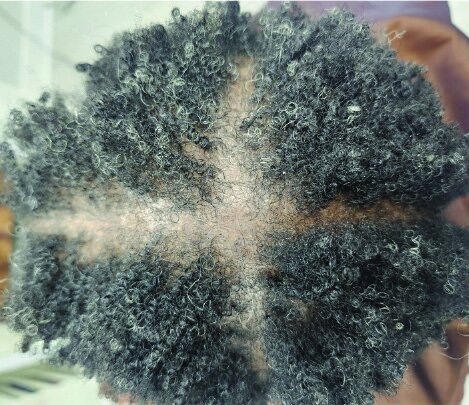
What's Actually Happening: The Science I Live and Breathe
Here is what most people never get told: during perimenopause and menopause, estrogen and progesterone fall while androgen levels hold relatively steady, and that ratio shift changes everything about how your follicles behave. Estrogen is what keeps hair locked in its active growth phase; when it drops, follicles slip into resting and shedding mode earlier than they should. Meanwhile, follicles with genetic androgen sensitivity begin to miniaturize — cycle after cycle, they produce thinner, shorter, weaker strands. Layer on slower collagen production, a scalp that loses elasticity and moisture, and a stress response that is more reactive than it used to be, and you get the diffuse, sneaky thinning that so many women mistake for something ordinary. It is not ordinary. It is hormonal, it is measurable, and in my clinic, it is exactly what I specialize in identifying at the follicle level, often before it is visible to the naked eye.
The Biggest Misconception: And Why It Costs Women Time
The myth I hear most, in almost every single consultation, is that this kind of hair loss is “just genetics,” “just stress,” or “just aging,” and that nothing meaningful can be done except wait it out. I want to be unequivocal: that is false, and it is the single most damaging belief a woman can carry into this stage of life. Hormonal thinning is a distinct, identifiable, and treatable pattern. The women who come to me early, before they’ve resigned themselves to it, are the ones who see the most dramatic transformations.
What Actually Works: My Clinical Protocol
Haircare: gentle, sulfate-free cleansing, regular scalp exfoliation to clear follicular buildup, and lightweight leave-in hydration instead of heavy oils that suffocate the follicle.
Lifestyle: deliberate stress regulation, since cortisol and the hair growth cycle are inseparably linked, paired with close attention to the vitamins I see missed again and again in my clients during this transition. In my clinical experience, deficiencies in the following six are directly tied to hormonal hair thinning:
- Vitamin D — low levels are strongly linked to follicle miniaturization and slowed regrowth, and I test for this in nearly every client.
- Vitamin B12 — a deficiency starves the follicle of the oxygen-carrying support it needs to stay in active growth phase.
- Biotin (B7) — essential for keratin production; even a mild shortfall shows up as brittle, thinning strands.
- Folate (B9) — supports the rapid cell turnover every growing follicle depends on.
- Vitamin B6 — plays a direct role in hormone regulation, which matters more than ever as estrogen and progesterone shift.
Vitamin E — an antioxidant that protects the scalp from the oxidative stress that accelerates follicle aging.
Professional treatment: a full trichology workup to rule out thyroid or ferritin deficiencies, paired with clinical-grade interventions like low-level laser therapy, medically supervised microneedling, and topical minoxidil where appropriate. This is where my expertise changes outcomes.
“This is not cosmetic to me. It is identity, confidence, and dignity. I take that responsibility seriously.”
The Moment That Defines Why I Do This
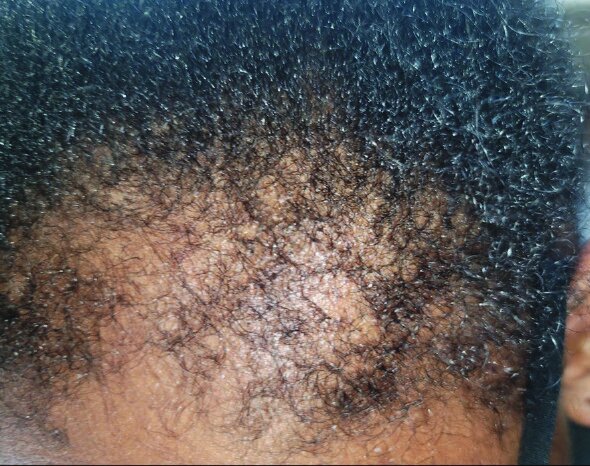
I once had a client walk into my office utterly convinced she was “just getting old,” already grieving hair she assumed was gone for good. Within a few months of a customized scalp protocol, she came back in tears, not from loss this time, but from watching new growth return along her hairline for the first time in years. I have built my entire career chasing that moment for every woman who walks through my door. This is not cosmetic to me. It is identity, confidence, and dignity. I take that responsibility seriously. Seeing new growth along the hairline is the outcome that drives everything I do.
What I Wish Every Woman Knew Before Thinning Starts
Early intervention is everything. I say this to every client, every time: the earlier you act, the more follicles I can protect before miniaturization becomes permanent. Waiting is the single biggest risk factor I see in my practice — not genetics, not age. Waiting.
Protective Styles: What I Recommend, and What I Warn Against
Loose, low-tension styles such as soft buns, braids without pulling, silk-lined wraps are excellent. They genuinely protect fragile strands during this window, and I recommend them without hesitation. What I warn every client against are tight ponytails, high buns, and extensions that pull at the hairline.
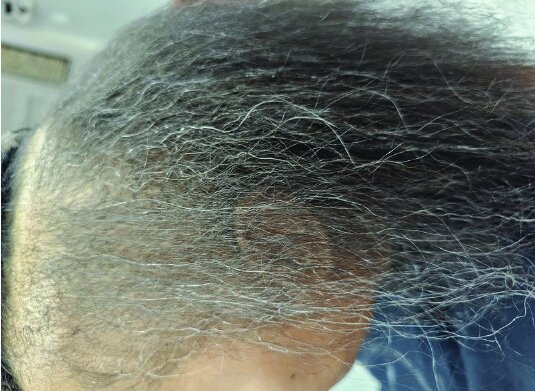
During this hormonal shift, follicles are measurably more vulnerable to traction, and damage that would have bounced back easily in your twenties may not now. I have seen this firsthand, repeatedly, and it is entirely preventable. Your hair is speaking. As a trichologist, it is my life’s work to listen — and to make sure you’re heard, too.
Theresa Hemmingway is a Celebrity Trichologist-Cosmetologist and Founder of Soleil Universal Research Center; the nation’s first African American woman-founded trichologist/cosmetologist-led cosmetic research center focused on multi-textured hair and diverse skin tones. With more than 30 years in the beauty industry, her work bridges beauty science, wellness, hair restoration, and culturally informed cosmetic innovation.